
From greenfield to nationwide in 8 weeks
How Kyrgyzstan's national flag carrier launched a full commerce platform - inventory, reservations, DCS, and direct sales - in 8 weeks, and reached 400,000 passengers in year one.


We had aircraft arriving and a government deadline. Farel gave us an airline to run them - in 8 weeks, with a team that had never operated a PSS before.
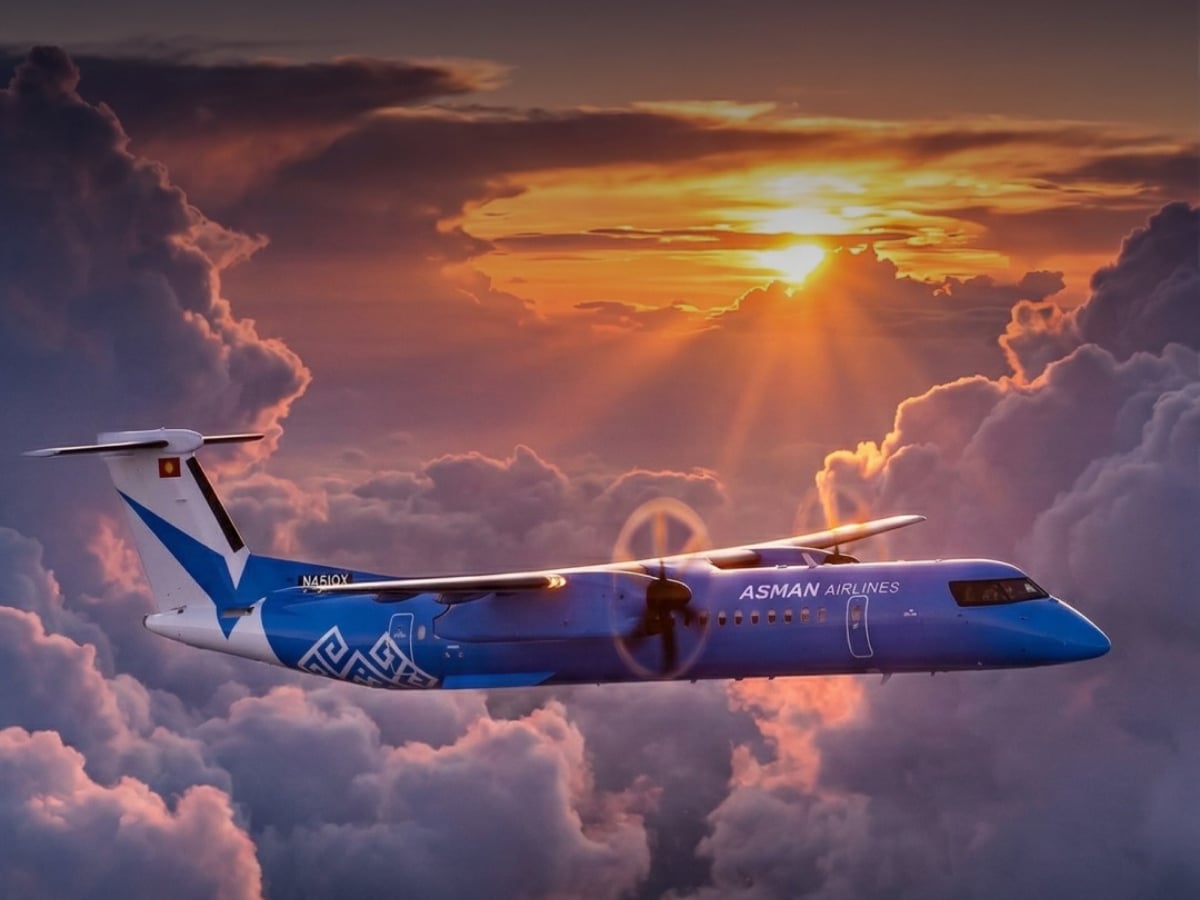
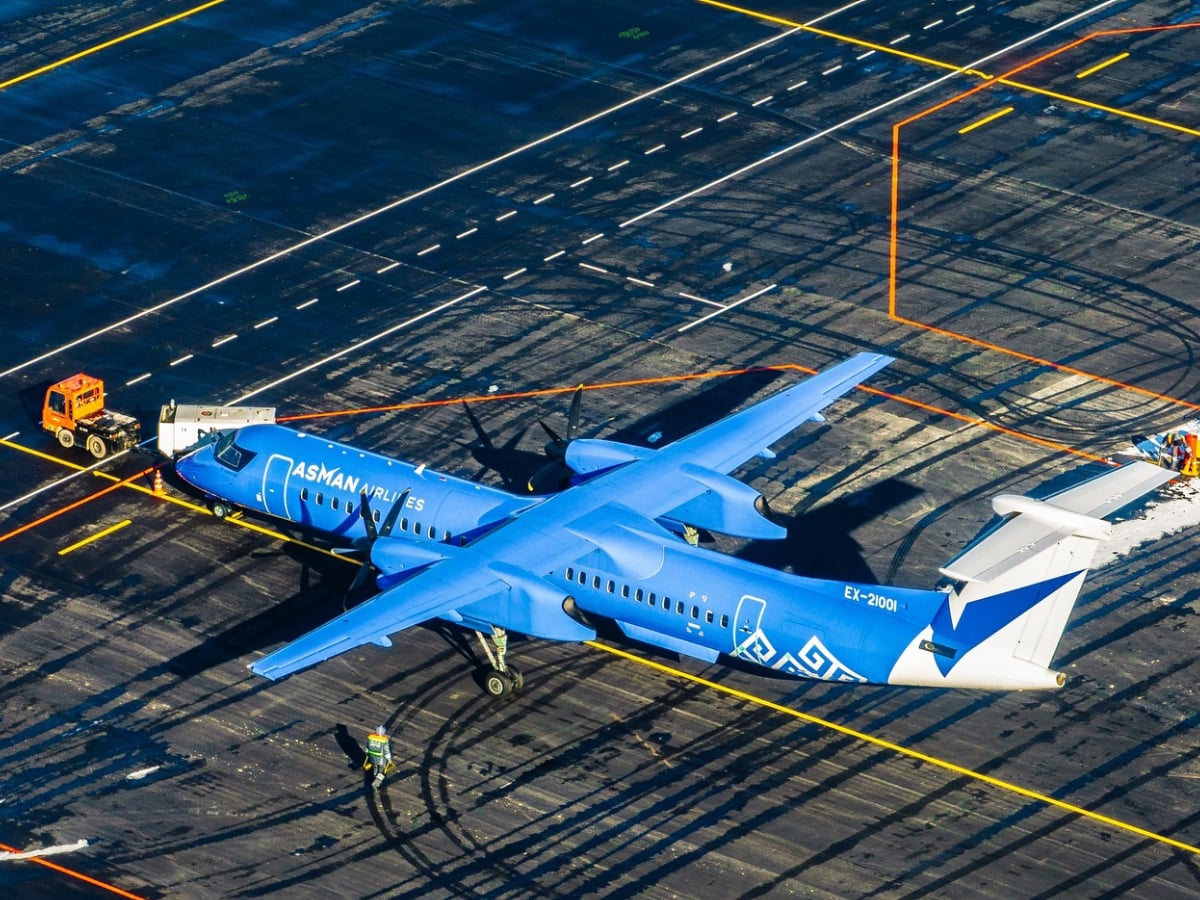
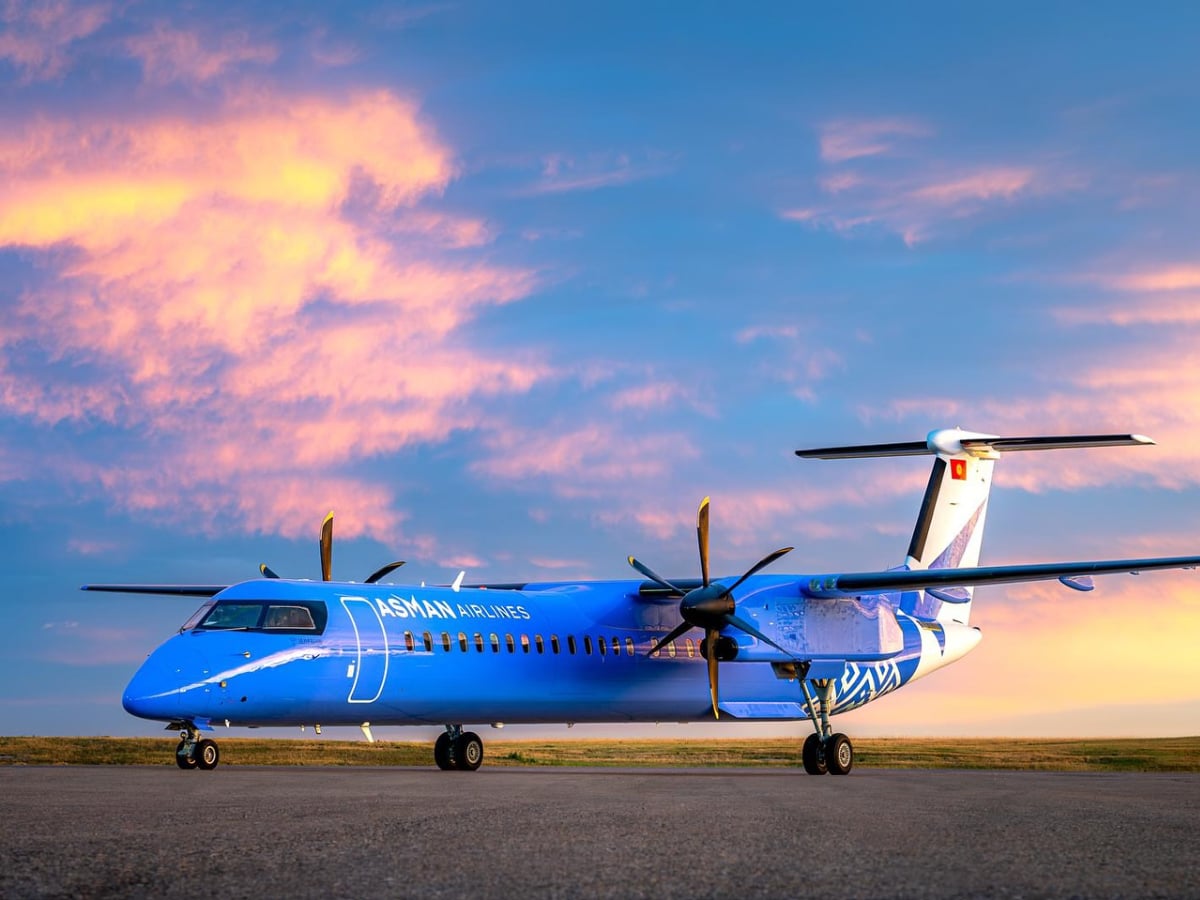
Kyrgyzstan's national flag carrier
A greenfield airline with no legacy systems and no experienced operations team. Asman needed to launch fast, run lean, and scale with government-backed ambitions, connecting remote mountain communities across Kyrgyzstan.
- Launched
- 2024
- IATA code
- MN
- Ownership
- 100% state-owned
- Fleet
- 3× Dash Q400 (Mid 2026)
- Routes
- 11 domestic, 2 international
- Mission
- Connect Bishkek with remote cities across Kyrgyzstan
- Website
- asmanairlines.kg



Starting an airline from zero was a challenge
They had aircraft arriving. They needed an airline to run them.
Government timeline
State-owned carrier under pressure to launch fast, on a fixed public deadline.
Scale from day one
11 domestic routes planned at launch. No runway to start small and iterate.
Limited airline experience
An operations team without deep PSS or DCS background.
Unproven airport infrastructure
New facilities, untested ground operations, no institutional muscle memory.
How Farel answered, point by point
Every constraint Asman faced had a direct product response - shipped in weeks, not quarters.
The 8-week playbook
What "launch-ready in 8 weeks" actually looked like.
Inventory rules, fare classes, route network, and distribution channels configured.
Payment providers, OTAs, agency network, and regulatory systems connected.
End-to-end booking flows, DCS at every station, and passenger notifications tested.
Direct channels (web, iOS, Android) live. First paid passengers, first boarding passes.
A full end-to-end airline system, not a project
One commerce platform covering every surface Asman needed to sell, operate, and scale.
Offer & Order-based architecture
IATA-native commerce foundation, including DCS. Built on the standards defining what's next in aviation.
Website + mobile apps
iOS and Android, live at launch. Passengers search, book, pay, and manage trips end to end.
Booking, payments, manage reservation
Self-service changes, refunds, and extras without agent queues.
Travel agency network + OTA integrations
Agencies and global tech partners connected through a single distribution layer.
Seat selection & ancillaries
Bags, seats, meals, priority, and bundles at every touchpoint - booking, post-booking, check-in.
Departure Control
API-based DCS at every station. No CUTE, no middleware, no legacy ground dependency.
12 months on Farel
Measurable outcomes across commercial, operational, and digital performance.
IATA global average 2025: 83.6% - a record high¹
Industry reference: major US carriers run 55–70% direct; many regional and legacy carriers remain heavily reliant on OTAs and GDSs²
Flights sold out from day one.
Website, iOS, and Android at launch.
From website / app visitor to paid passenger (travel and hospitality average ~2–3%; top 10% of travel sites run 3–4%)³
Passengers change, refund, and manage bookings themselves.
Of all direct bookings.
Sources & footnotes
- IATA, 2025 Full-Year Passenger Market Analysis (January 2026). Global passenger load factor: 83.6%, record high for full-year traffic.
- Public statements from American Airlines (Neil Geurin, VP Sales: ~55% direct) and United Airlines (Anthony Toth, MD Digital Sales: 70% direct), 2024–2025. Regional carrier averages vary widely by market.
- Contentsquare / Statista, Travel and Hospitality Digital Experience Benchmarks (2023–2024): desktop 7.6%, mobile 2.6%. Promodo Travel Industry Benchmarks 2026: top 20% of travel sites convert above 2%, top 10% between 3–4%.
- Hitit (PSS vendor), PIA PSS Migration Case Study: cites 'industry standard of approximately 18 months for going-live.' Coforge PSS migration portfolio references 13-month timelines for comparable mid-size carrier migrations.
A year in, we're running at ~90% load factor with 52% direct sales. That's not a launch story anymore - that's a commercial performance story.
Could this work for your airline?
Farel fits airlines that need to move fast, run lean, and scale without re-platforming.
Launching from scratch or rebuilding operations
Greenfield, startup, or major reset.
Needs to go live fast
Government timelines, fleet delivery pressure, fixed launch dates.
Operates with a lean team
Automation instead of back-office growth.
Runs nationwide or multi-airport operations
Domestic scale, regional connectivity, multiple stations.
Plans fleet or route expansion
Turboprops today, narrow-bodies tomorrow.
Ready to see it run on your routes?
Asman Airlines runs on Farel. See the same platform on your network in a 30-minute session.