


Key takeaways
- NyxAir, an Estonian regional airline, moved its passenger service system (PSS) and departure control system (DCS) to Farel on 15 November 2026, about ten weeks after kick-off.
- Farel, a cloud-native airline operating system, replaced two separate products: WorldTicket for reservations and sales, and Ink for check-in and boarding.
- With PSS and DCS in one system, a booking change, a delay, or a refund is entered once, not in two places. Passengers can now change or refund a booking themselves online.
- 400+ bookings with future flights moved over in two imports, with no new tickets issued. Nobody had to rebook.
- Before launch Farel added local payments and SMS and a bag tag layout for Estonian airports. NyxAir also got its first mobile apps, at no extra cost. An online travel pass for the island routes is next.
A new airline starts with an empty system. An airline that changes systems doesn't. The flights are already on sale, the passengers already hold tickets, and the check-in desks open tomorrow morning whether the new software is ready or not.
It gets harder when there are two systems to replace. A PSS, or passenger service system, holds the schedule, the seats, and every booking. A DCS, or departure control system, checks passengers in and boards the aircraft. At NyxAir they came from two vendors, and the team did a lot of things twice. On the night of 15 November NyxAir moved both to Farel without stopping a single flight, and now runs PSS and DCS in one system.
Who is NyxAir?
NyxAir is an Estonian regional airline based in Tallinn. Its scheduled flights connect the capital with Kuressaare on the island of Saaremaa and Kärdla on the island of Hiiumaa. Both routes run under a Public Service Obligation contract with the Estonian state. The fleet on these routes is five Saab 340s with 33 to 36 seats and two ATR 42-500s with 48 seats.
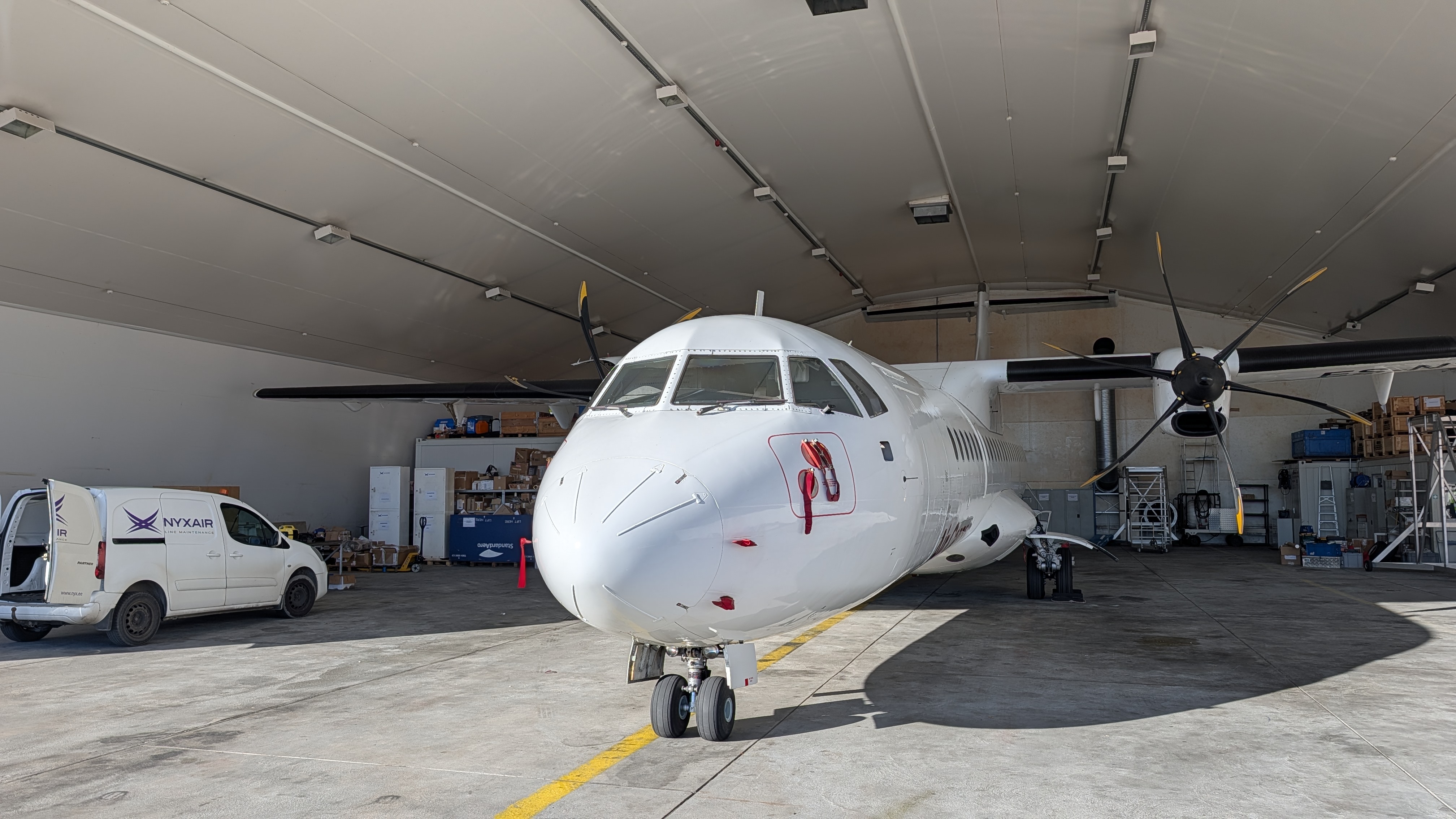

Estonia is a demanding place to launch software. Since December 2024 every government service in the country is available online. The last one to move was divorce. People here vote, sign contracts and file taxes online, and they don't expect less from an airline.
NyxAir's old setup was a step behind that. The reservation system sent a passenger list to the DCS, and every later change to a booking had to go the same way before the agent at the desk could see it. Nothing came back.
The NyxAir team was tired of it, and they could say exactly why.
Passengers could not change or refund a booking themselves. Every request went to customer support by email or phone. There, a refund took three steps in two systems: find the booking, refund the payment at the payment provider, then go back and mark the booking as refunded. One passenger at a time.
A delay had to be entered twice, by two teams: customer support in the reservation system, ground handling in the DCS. Then someone sent the delay message by hand, after fixing the date and flight number in the template.
A family with a child, a student and a grandmother could not travel in one booking. Each discount type needed its own reservation.
And before each departure someone typed the passenger numbers into the flight planning system.
None of this is unusual. We hear the same list from other airlines that keep reservations and check-in in separate systems.
So NyxAir did what its country did years ago and went looking for something more digital. One of the most digital countries in the world now has an airline platform to match: one system and one record, with nothing to keep in sync.
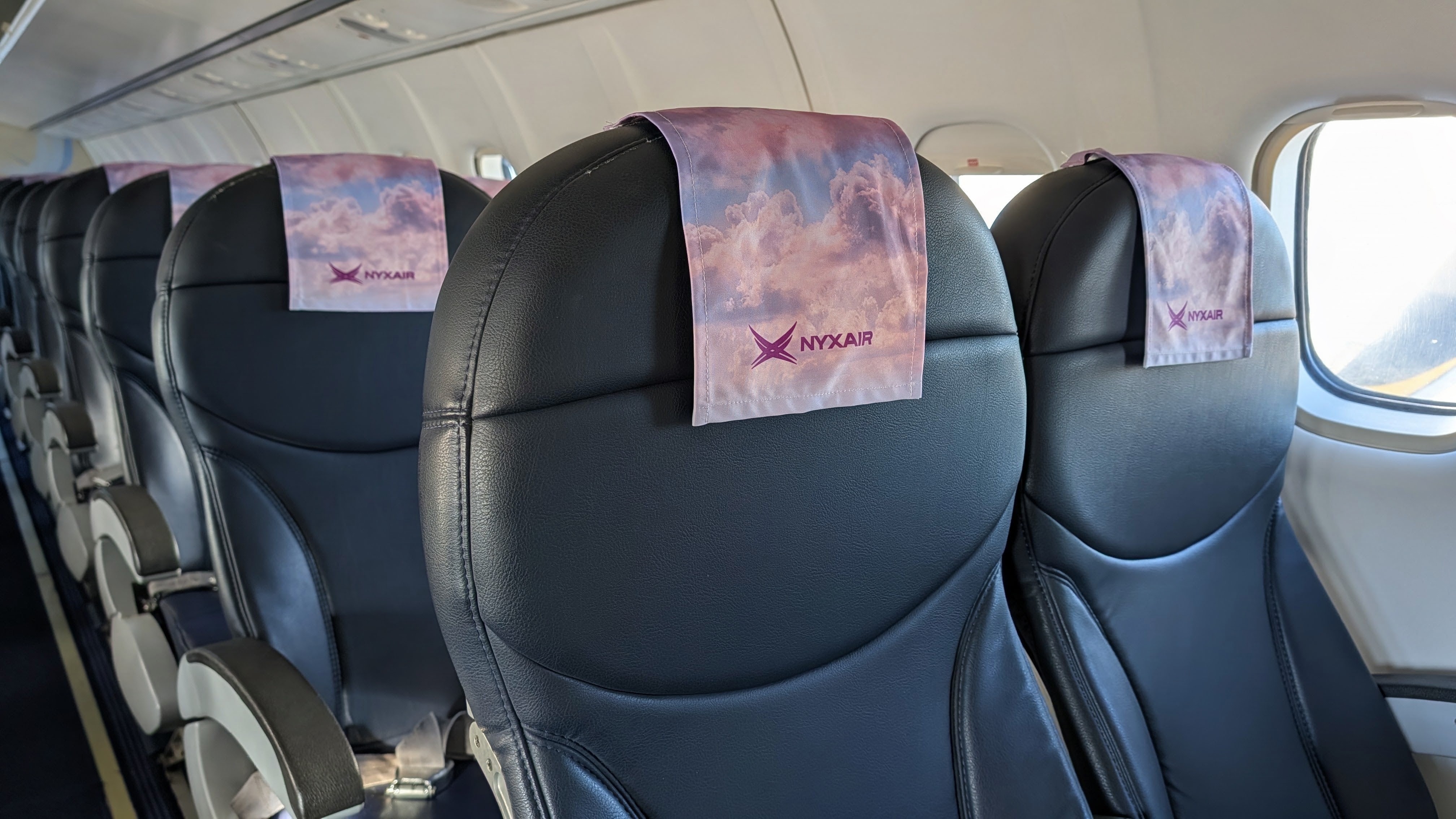

Why switch overnight, with no parallel run?
Because a parallel run means two systems selling the same seats, and staff checking both before every flight. That is the problem NyxAir was leaving behind. So the switch happened in one night, from Sunday 15 to Monday 16 November.
That night sales moved to Farel and stayed there. The old systems were kept until 30 November for one job only: a fallback at check-in for tickets sold before the switch.
What had to be built before launch?
Most of the setup was configuration: airports, fleet and seat maps, fares, languages, branding. Three things were not, and a fourth is on the way.
The first two were local providers. In Estonia people pay online through Maksekeskus, and NyxAir sends its text messages through Clickatell. Farel supported neither, so we connected both. More on how Farel handles airline payments.
The third we found in June, during the live DCS test at Tallinn Airport. Farel had one bag tag layout for every airline, and the label stock at Estonian airports is a different size. The layout is now a setting per airline, with the barcodes and the IATA licence plate number exactly as the standard requires.
The fourth arrived in the middle of the project. The Estonian state is adding a new ticket type on the island routes: a pass for 12 one-way flights within three months. Anyone can buy one, and the island hospital is the obvious buyer, because most of its doctors fly in from the mainland.
Farel had no such thing, so we are building it as a pass with a code, like a transit card. A passenger buys the pass on the website together with the first flights and gets a code. After that, anyone who has the code can book a flight on it with no payment and no account, and sees how many trips are left and until when. A named pass is for one person. A flexible one can carry a different passenger on every flight.
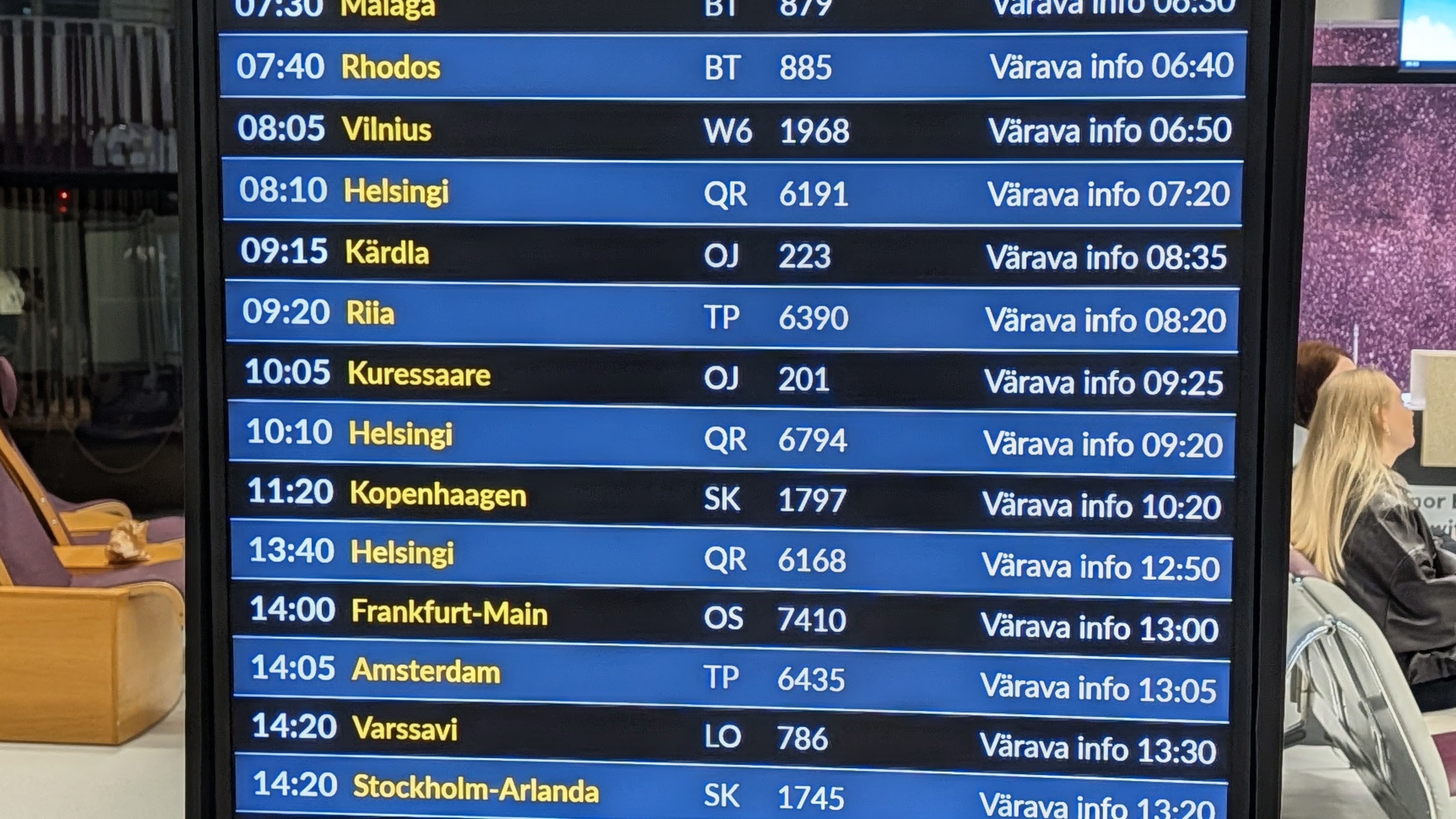

How do you move existing bookings without rebooking anyone?
You import them from the old system's export and keep the ticket each passenger already holds.
WorldTicket exports bookings as a spreadsheet, and Farel already had an import tool, so we taught it this format. We imported twice: 303 bookings on 13 November and 112 more on the last night, 415 in total. No new tickets were issued. Each booking got a new Farel reference, and staff can still find it by the old WorldTicket one. Paid extras such as extra bags are not in the export, so the NyxAir team added them back by hand.
The second import was needed because bookings kept arriving in the old system until the last evening. It ran just before 6:00 on Monday morning, Tallinn time, and 39 of its passengers were flying that same day.
A week in Tallinn
I spent 5-9 October in Tallinn training the NyxAir team and the ground handling staff who check in and board the flights.
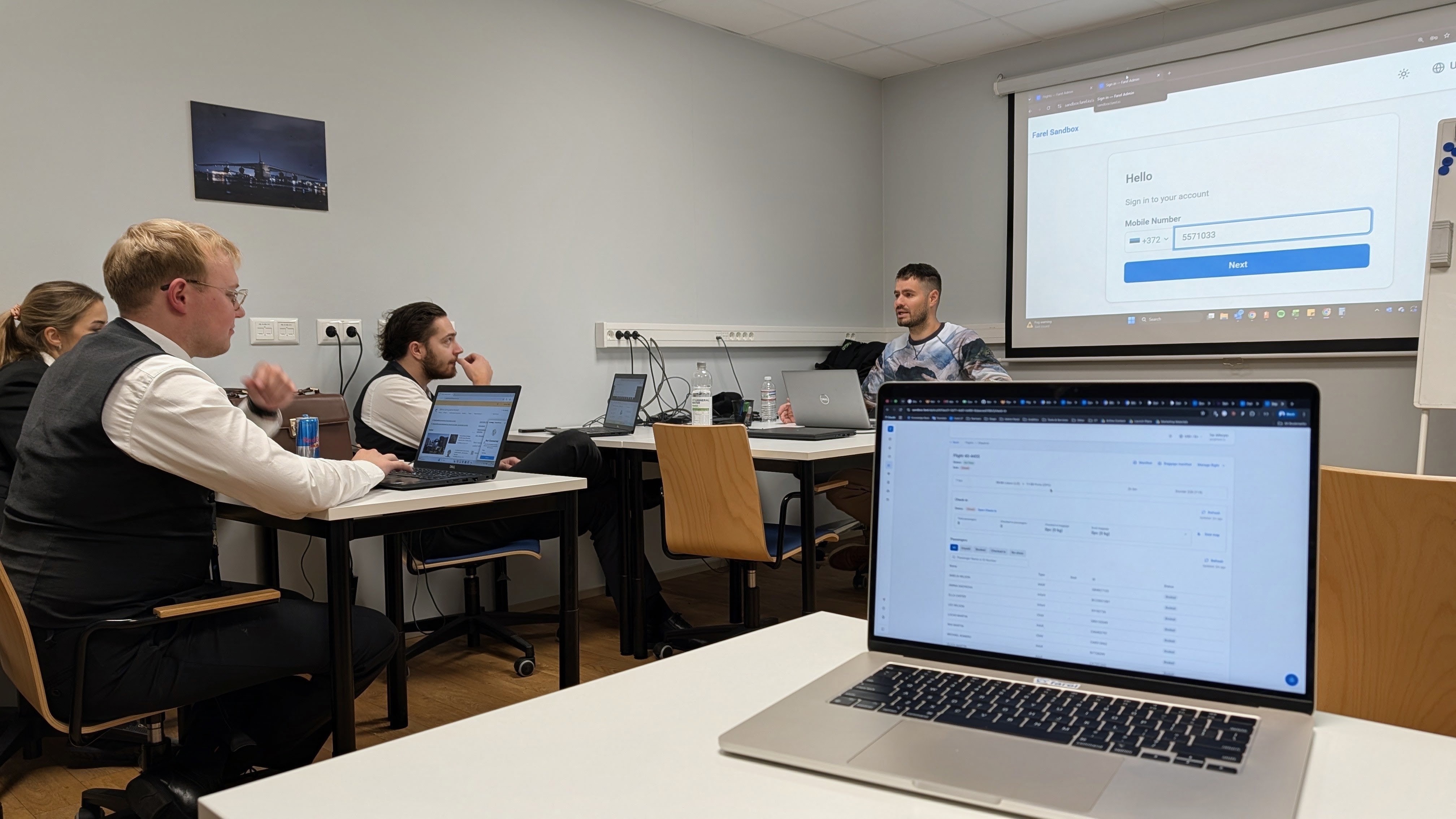

The ground handling agents work at Tallinn Airport, not for NyxAir, and Farel is not the first check-in system they have used. After a session on check-in and boarding, one of them said: "It's the easiest platform I've ever used."
I didn't ask which platforms came second.
What changes when PSS and DCS are one system?
Things get entered once. Since 15 November the booking site, reservations, check-in, and departure control all read the same order. When a passenger changes a flight online, the agent at the desk sees it right away, because there is no second system to tell. Farel's departure control runs at all three airports on these routes: Tallinn, Kuressaare, and Kärdla.
The list from the old days got shorter. Passengers change or refund a booking themselves on the website. Farel works out the amount from the fare rules and sends the refund through Maksekeskus, so nobody has to look up the payment. A delay is entered once, and Farel sends the message to every passenger on the flight. And the grandmother can travel in the same booking as her grandchildren.
NyxAir also got something it never had: mobile apps for iOS and Android, in both stores right after the launch, at no extra cost.
| Before | After | |
|---|---|---|
| Reservations and online sales | WorldTicket | Farel |
| Check-in and boarding | Ink | Farel |
| How the desk learns about a booking change | Message from one system to the other | Same record, no message |
| Changing or refunding a booking | Email or phone to customer support | Passengers do it online |
| Mobile apps | None | iOS and Android, at no extra cost |
What's next?
The plan for the rest of this year and for 2027 has four parts. Farel will send passenger numbers to Leon, the system NyxAir uses to plan its flights, which closes the last manual job on the list. At Tallinn Airport, Farel will connect to the self check-in and bag drop kiosks. Airline staff will get myIDTravel, the system airline employees use to book seats on each other's flights. And NyxAir will get a direct interline connection with Finnair, so one ticket can cover a NyxAir flight and a Finnair flight.
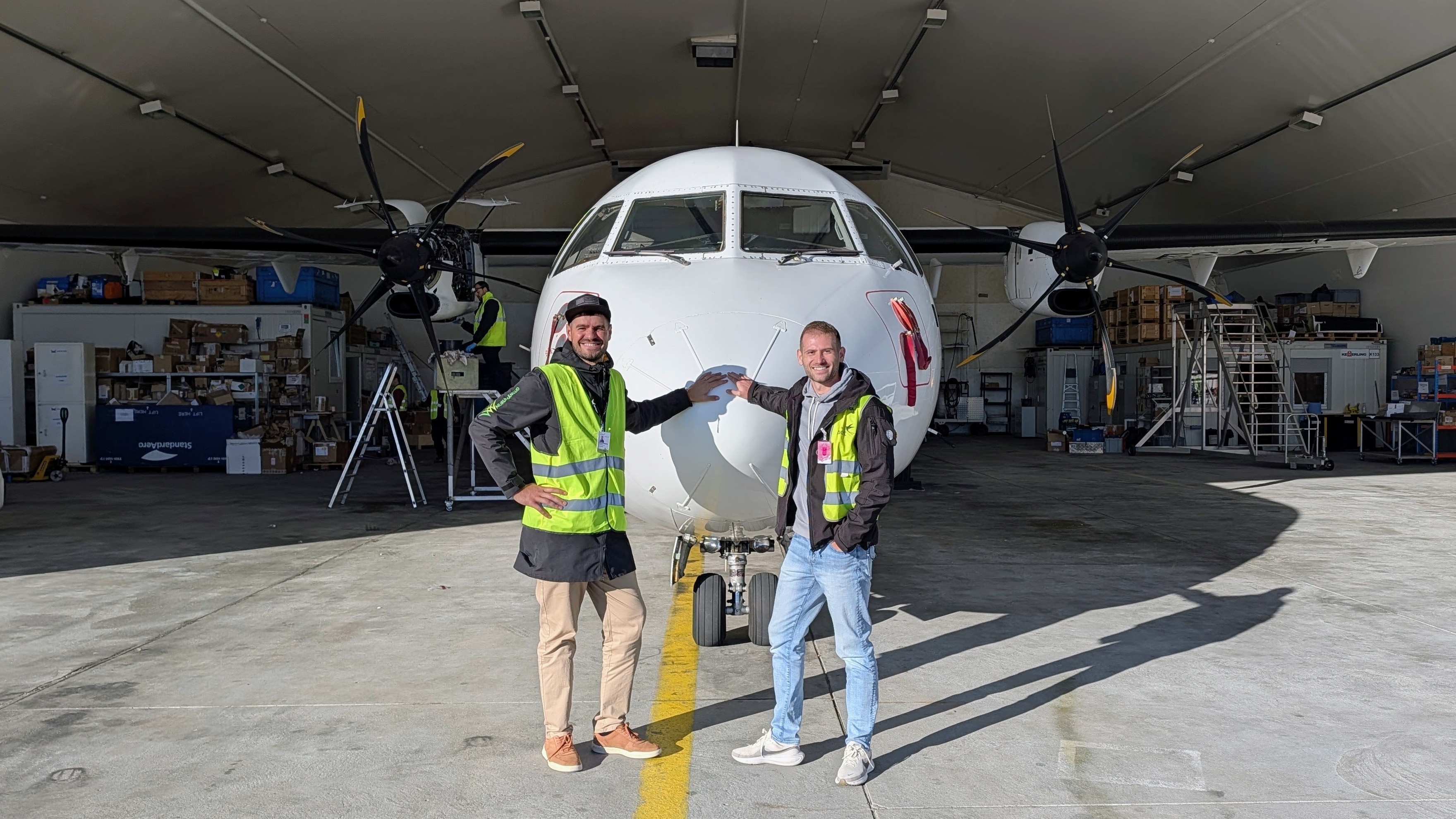

Thanks to Hasan Steinberg, NyxAir's ground handling manager, who led the project on the airline's side, to Reelika Hunt and Patrik Sebastian Unt, and to the whole team.
If your airline still enters every delay twice, book a demo. Once is enough.
The Latest & Greatest
We love sharing our journey with you. Here, we regularly share our insights, Farel happenings, customer success stories, challenges, and all things to help airlines grow and succeed.


