


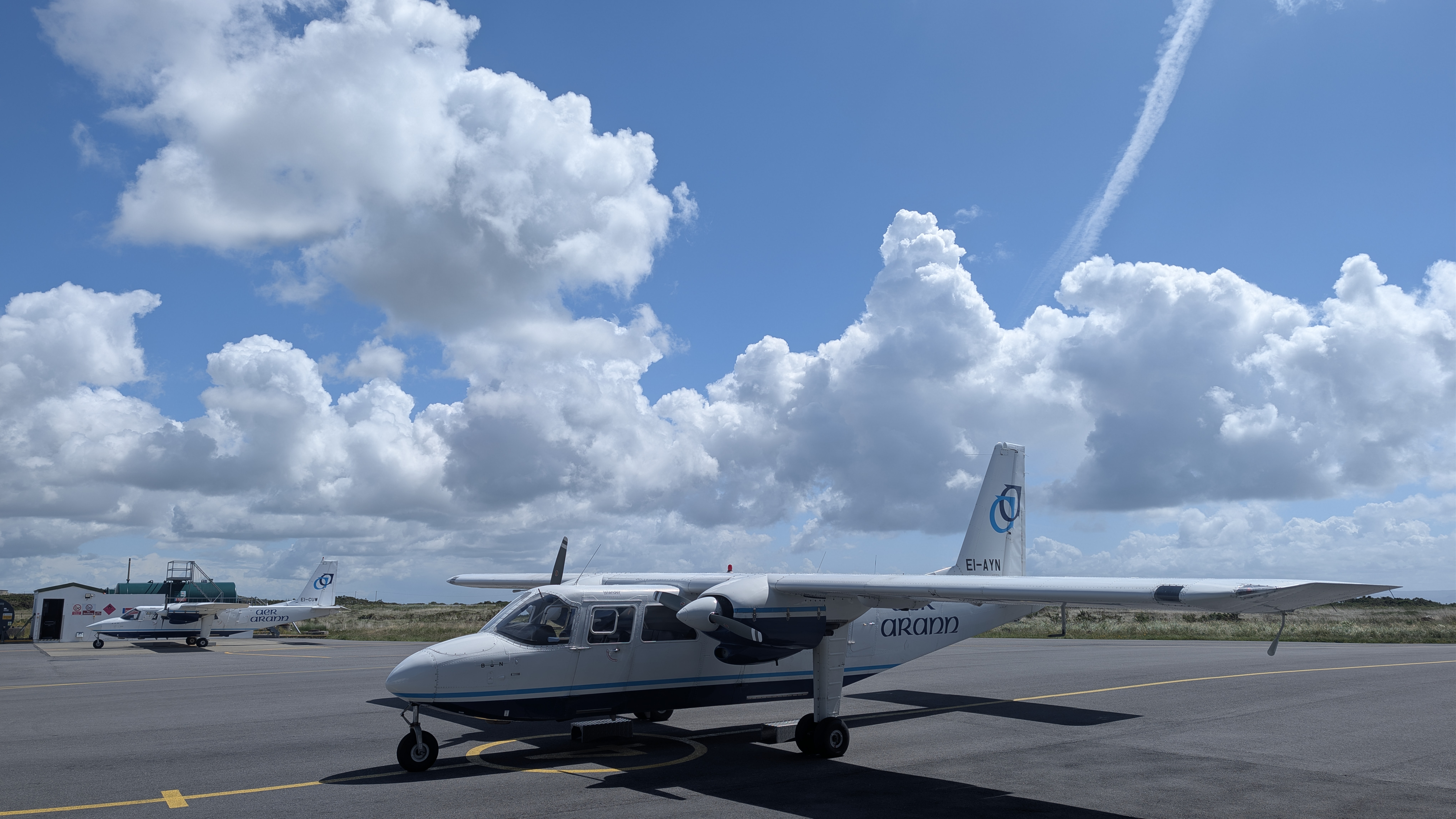

From paper Read case study
Aer Arann Islands · Ireland
A PSO carrier with three nine-seat aircraft and no reservation system since 1970.
30–40%
Fewer inbound calls, first month
8 weeks
Contract to go-live
Bookings, payments, manifests, and regulatory messages in one record. Live in 2–8 weeks, run by the team you already have.
Paper, spreadsheets, and phone calls work until the day you add a route, a station, or an aircraft.
Availability lives in one place. Three agents on three calls wait for the same page.
A full flight or a missed call leaves no trace. You can't add a rotation for passengers you never counted.
Manifests, load sheets, and API/PNR typed per flight. It holds until the first warning letter.
What worked at two aircraft breaks at four. Every new station needs another person on the phone.
The same airline and the same team, working from one record.
Phone, email, a paper book or a shared sheet
Website, mobile app, agents, and stations write to one record
Cash, bank transfers, and payment links, matched by hand
Card payments through your provider, attached to the booking
A phone call and a manual edit
Self-service for passengers, fare rules applied automatically
Handwritten tickets and manifests
Electronic manifests built from live check-in data
API/PNR prepared and sent per flight
PNRGOV and APIS sent automatically on every flight
Inbound calls, tour operators, word of mouth
Website, apps, agency platform, and API
Rebuilt from sheets at month end
Flight close-out totals published to finance
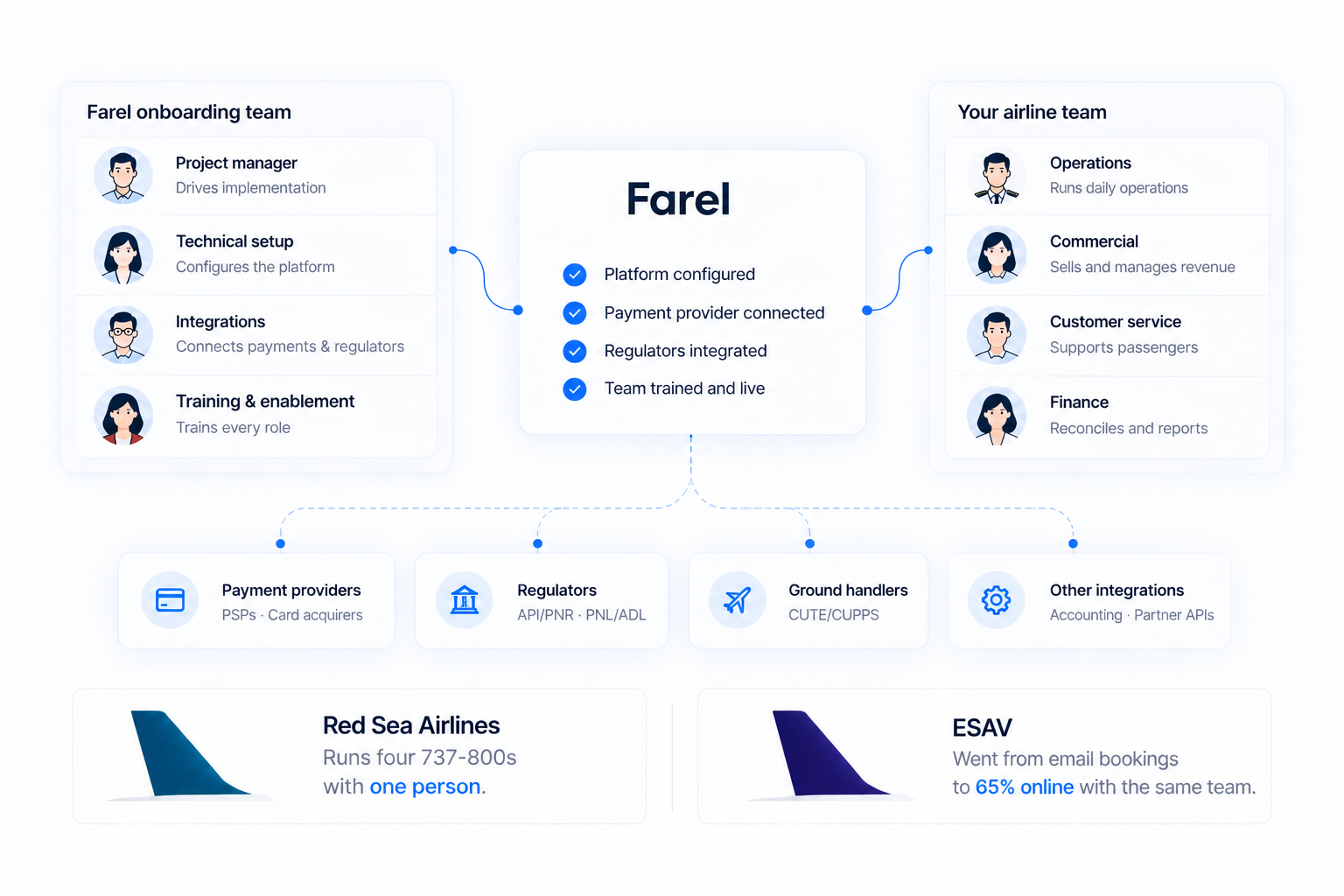
Our onboarding team configures the platform, connects your payment provider and regulators, and trains every role. Red Sea Airlines runs daily operations for four 737-800s with one person. ESAV went from email bookings to 65% online with the same team.
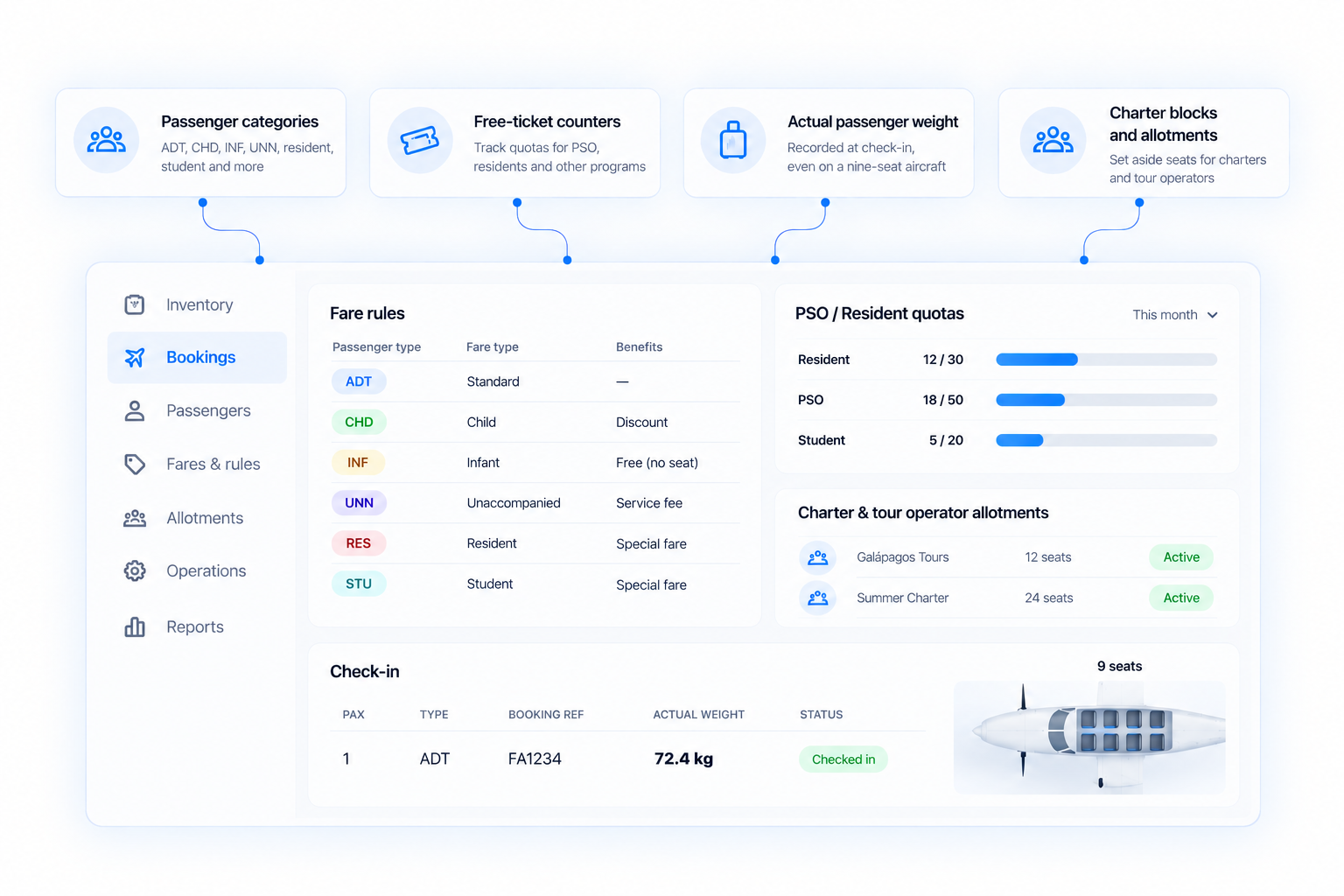
PSO passenger categories with free-ticket counters, resident and student fares. Actual passenger weight recorded at check-in on a nine-seat aircraft. Charter blocks and tour operator allotments. All of it runs in production, and some of it was built for a single airline's go-live.
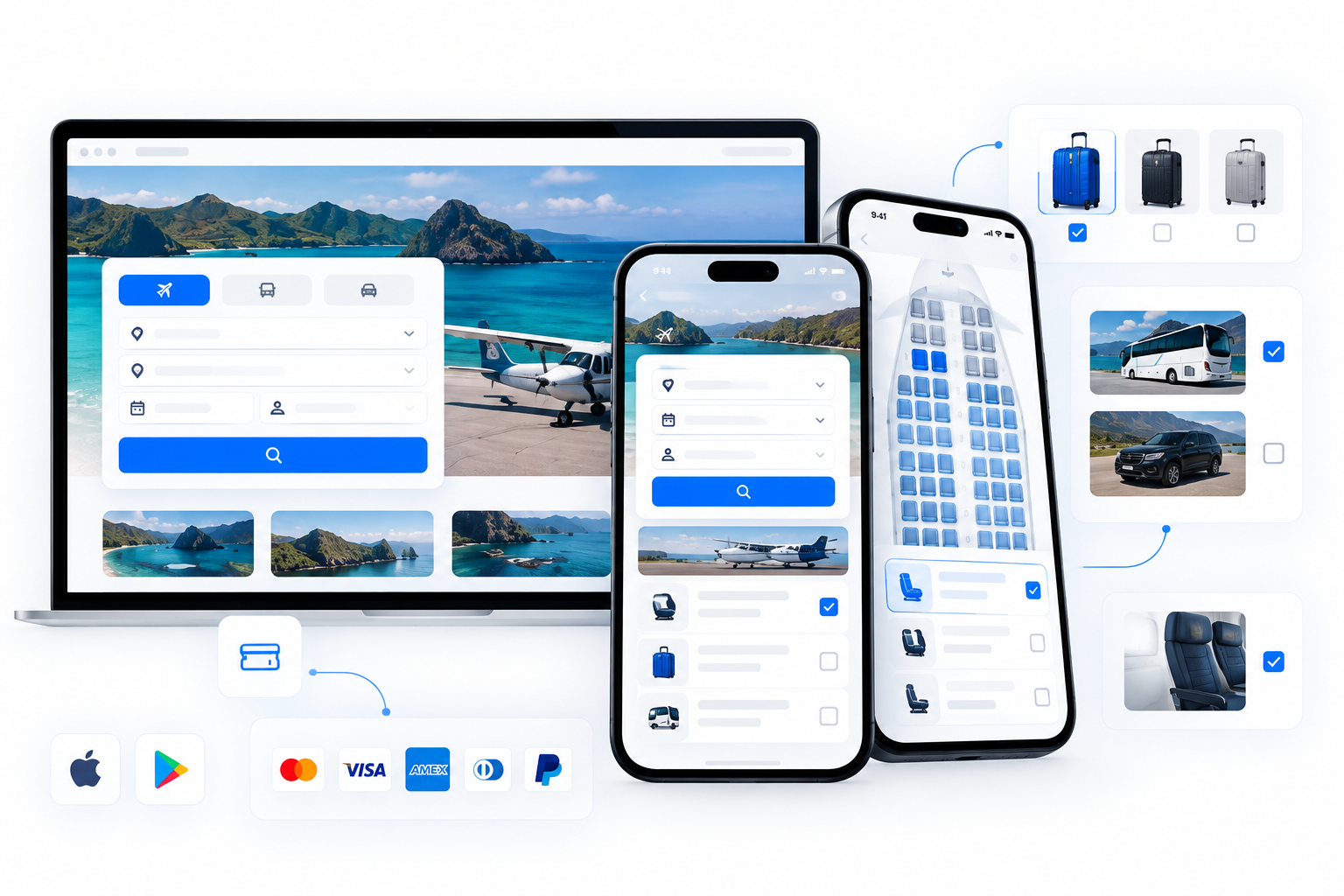
A website with a booking engine, iOS and Android apps under your brand, and card payments. At ESAV, 47% of bookings now include an extra, and ancillaries bring in 10% of revenue. Aer Arann Islands sells bags and the Connemara to Galway bus at booking.
Your flights keep operating while we build. Passengers notice the change the day online booking opens.
Routes, stations, fare rules, passenger categories, payment provider, and regulators mapped before we quote.
Schedule, aircraft layouts, fares, and ancillaries loaded. Payments and regulatory messaging connected.
Forward bookings from the book or the sheet are loaded into Farel by our onboarding team before cutover.
Role-specific sessions for reservations, airport, and finance staff. On-site for airport teams.
Online sales open and every station switches to the live record. Two weeks of accelerated support follow.
Paper, email, and spreadsheets on day one. One system at go-live.
A PSO carrier with three nine-seat aircraft and no reservation system since 1970.


A family-owned air taxi taking bookings by email, cash, and PayPal links.


A charter operator selling through tour operators, with API/PNR sent by hand.
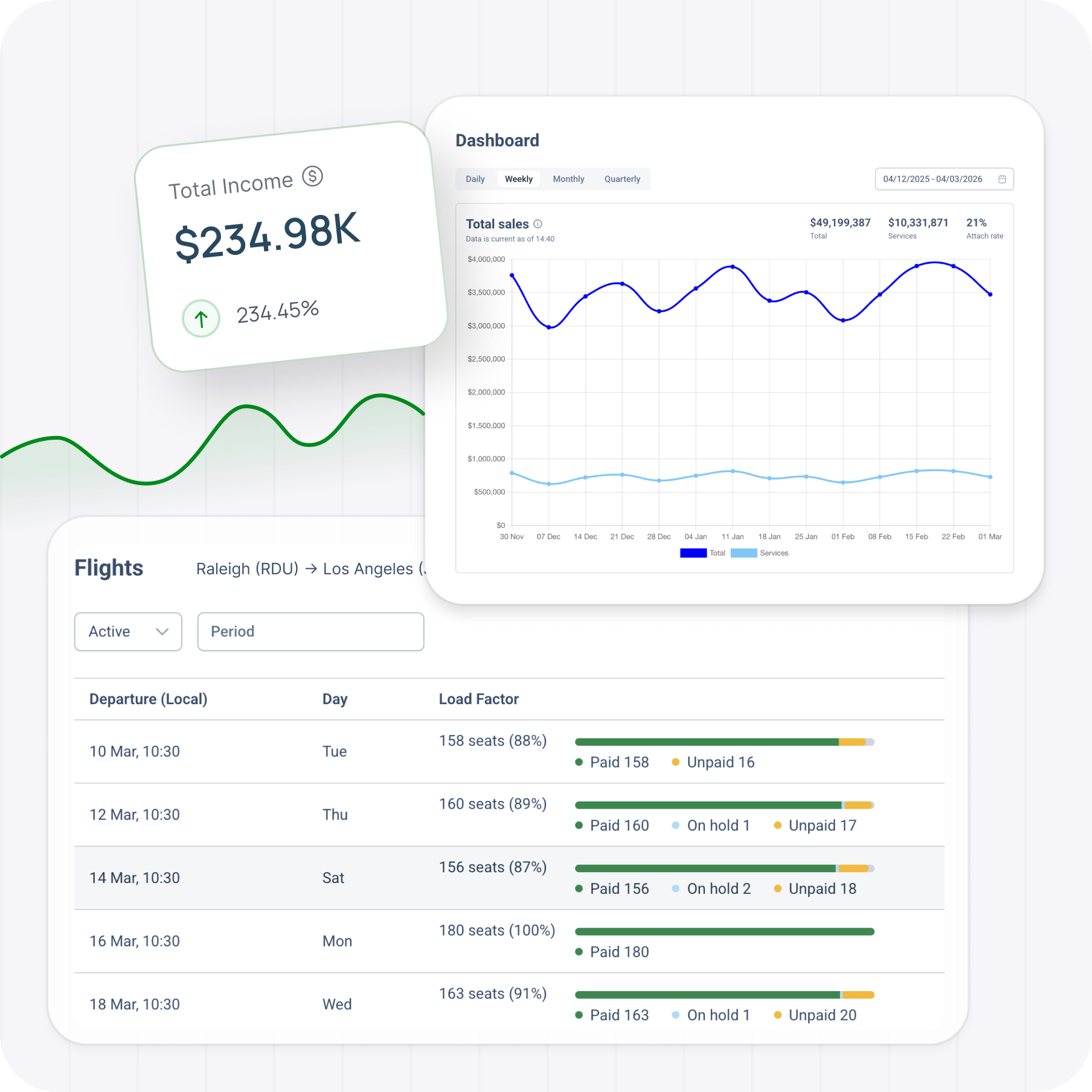
I can't stop looking at the dashboard.
From nothing to this feels so good.
FAQ
Answers to the questions we hear most from airlines moving off manual processes.
From inventory to check-in, see how each module works on the same record.
Inventory & Pricing
Manage seat availability, fare structures, and revenue logic across all distribution channels.
30-minute discovery call, tailored proposal within five business days.


